

“Photographs open doors into the past, but they also allow a look into the future.”
Sally Mann
Family Photographs
After natural disasters in which people lose all their belongings, the thing they often miss most are the family photos. Yet many of us do not take the time to organize, identify, preserve, or duplicate our family photos. Each day, old family photos are at risk of being discarded because “we don’t know who they are” or “nobody else cares.”
Ironically, the photos that are most at risk are the ones that are the most valuable: old photos which may be one-of-a-kind, often sitting in someone’s attic or storage area, unknown and unattended.
Old photos can be appreciated on many levels: the view into another time, the art of the photograph, and the technique of the photographer to name just a few. However, they can also provide valuable information about family members, geography, activities, culture, and genealogy.
Examining family photo collections can lead to startling discoveries. We have discovered:
- Children for whom vital records are missing and hence are not included in genealogy.
- Informal family adoptions for which no legal records exist.
- The movement of family groups
- Unknown or lost “branches” of families
Tracking families, particularly families in the 19th century, can be challenging because of the inconsistency of family names. Spelling of names may change over the course of a person’s lifetime. Names may become “Americanized.” Names may be completely changed because there are too many “Olsons” or because there’s confusion over mail delivery. Some chosen names are totally unrelated to birth names.
For example, brothers may choose totally different names, obscuring the genealogy trail. However, we have discovered many “unknown branches” of families because their photos are included in family collections. Although the newly chosen names may be different, the families are still sharing the photos with extended family.
Listed below are a few examples of families and their descendants who emigrated from Norway.
1
Families from Lysefjord
2
Gjevre Family from Valdres
3
Homme Family from Setesdal


The Farmer-Photographers
United by a fascination with photography, separated by the Minnesota River, three farmer -photographers from the late 1890s and early 1900s left a rich view of life in their townships. Two of them were acquainted, one lived 12 miles away and probably did know the other two. All of them mastered the challenges of large cameras, glass plate negatives, lighting, chemicals and development. They lived and worked a Norwegian immigrant farm life. Their direct experience in farm work was the same kind of work as everyone around them. However, their approach to photographs is as unique as the individual photographer’s eyes. They had signature approaches to subjects and style while capturing local images: family, friends, neighbors, children, work, animals, recreations, courtship, weddings, recreation, humor, and animals. A.T. Ellingboe took many pictures of children, often his own. Ole Aarseth used humor, often having subjects exchange hats or pose comically to bring a certain energy and relaxation to his work. Pete Holien did most of his photos close to home and family. Nearly all their work is shot outdoors, depending on natural light. Their interior shots, and the challenges of limited light, are all the more interesting for their rarity. All three men were familiar and trusted friends to their subjects.
1
Ole Aarseth
2
A. T. Ellingboe
3
Peter Holien

Topic Photographs
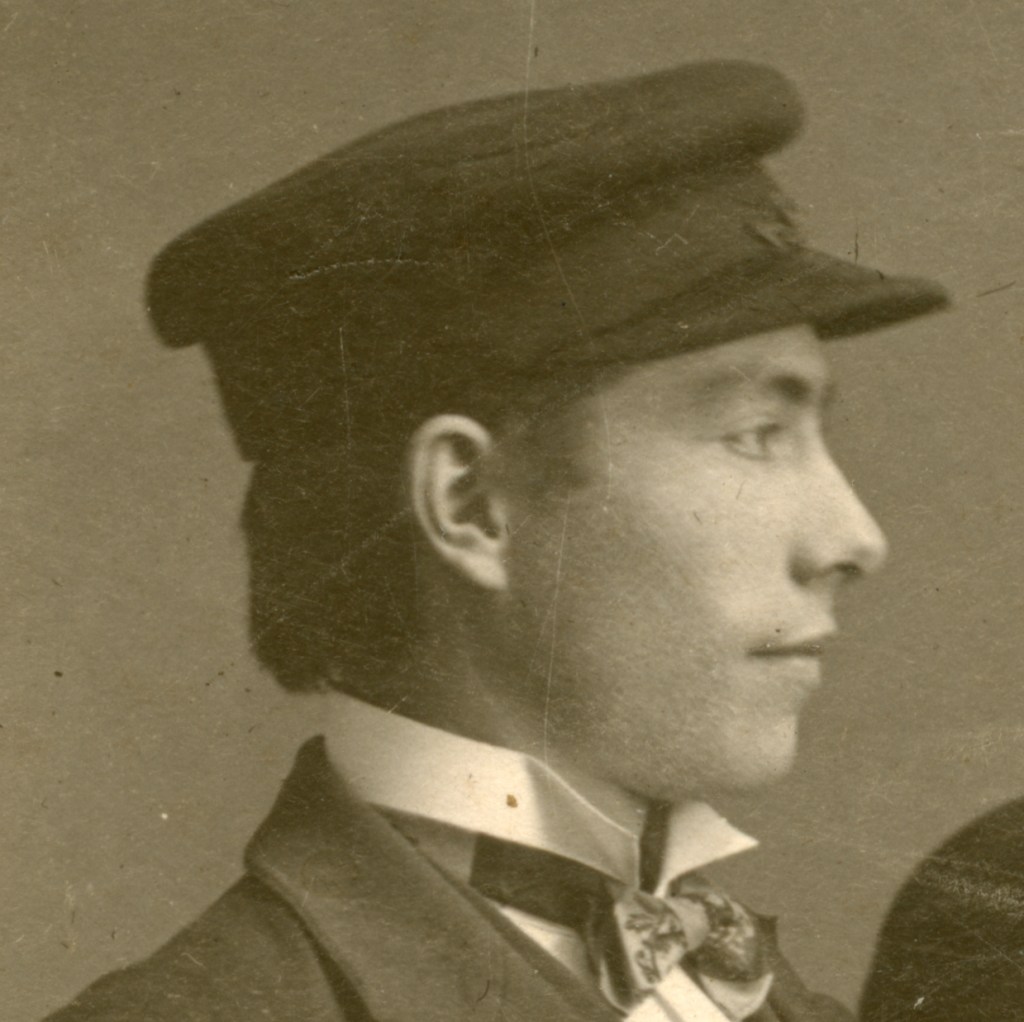
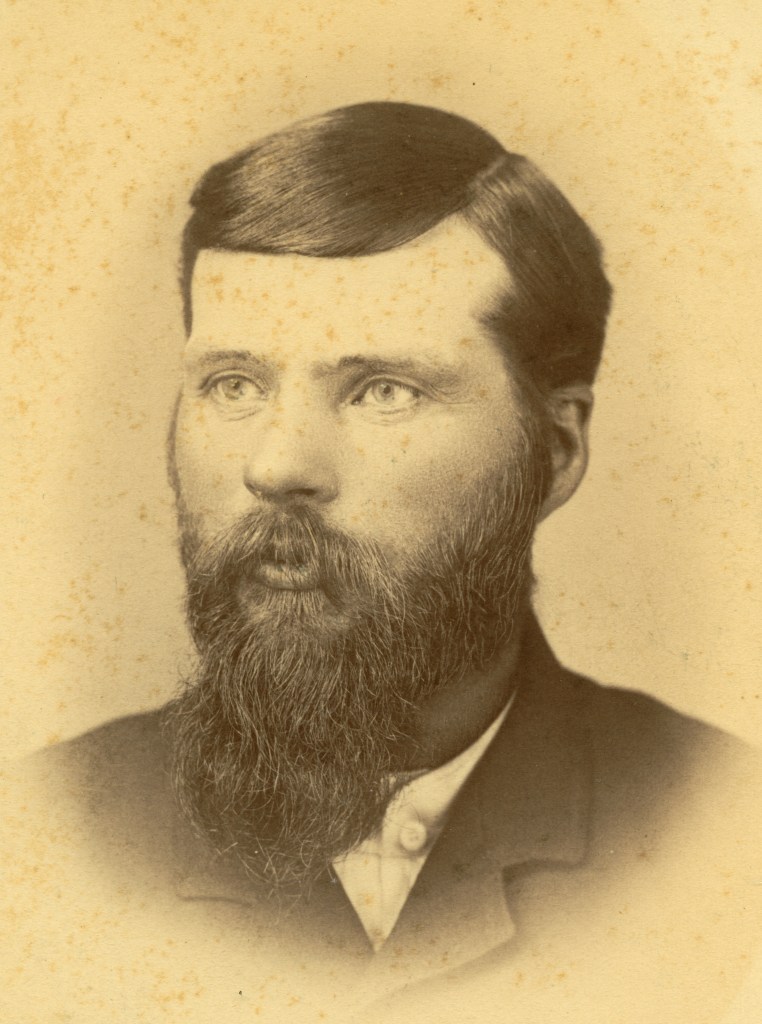
These photos were selected to show a variety of photography styles, time periods, identifications, and condition of photographs. In addition to the normal aging process of photographic materials, some of these photos also show the effects of handling or continual display because they are/were images of much loved family members. In order to bring these images back to their original clarity, digital restoration of photographs is needed.
Family photo collections give us a way to peer into the past. We have selected three subject areas: farming, children, and “prosperity” as subject areas from the family photo collections. The time period from the collections range from early tintypes through photos taken in the 1920’s.
1
Prosperity
2
Farming
3
Children
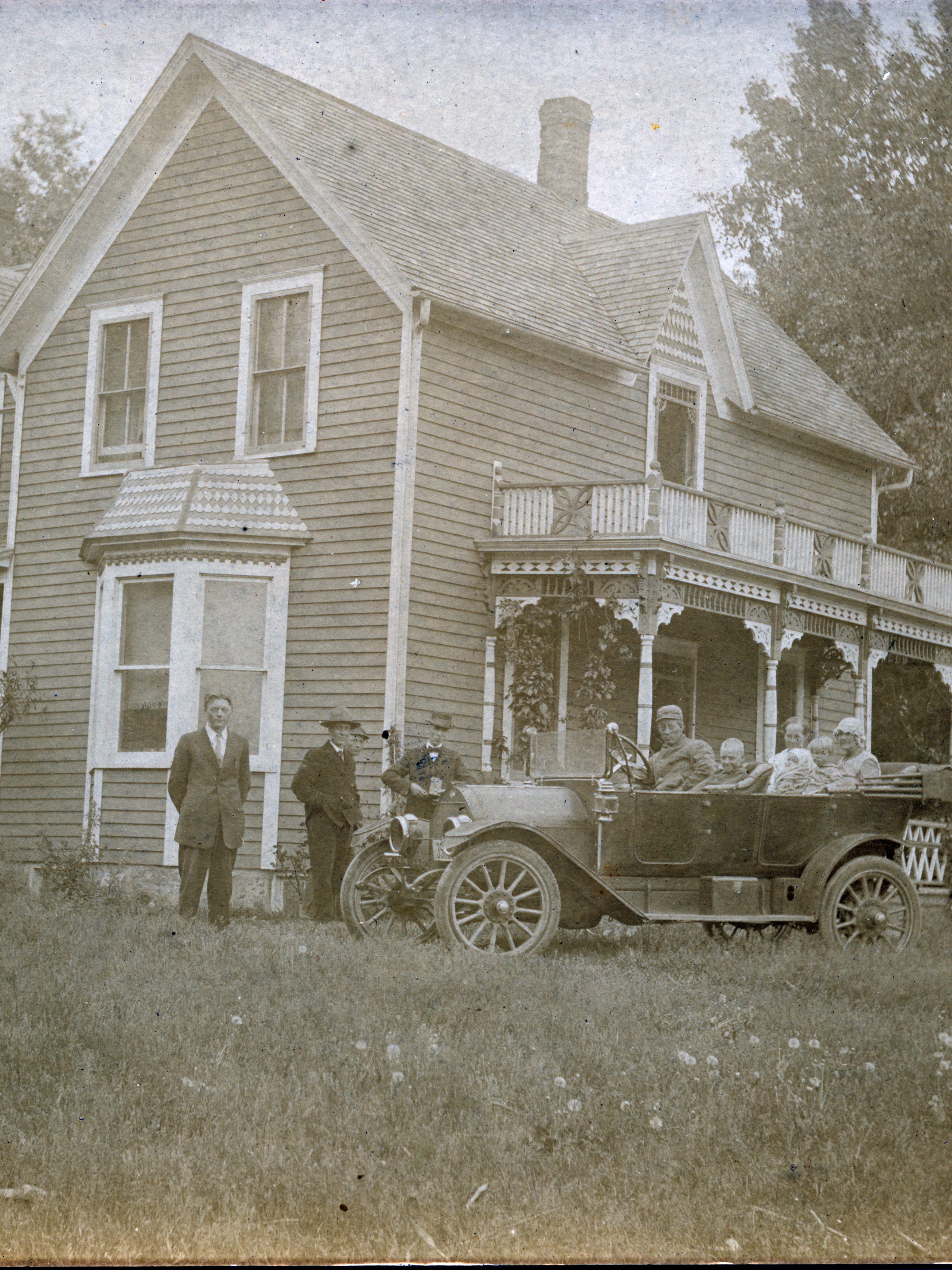
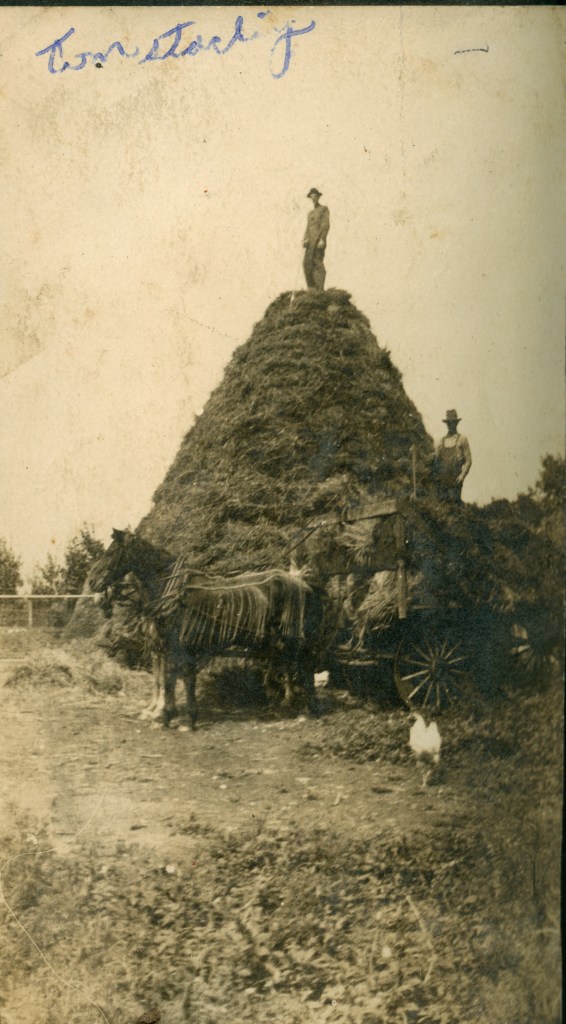
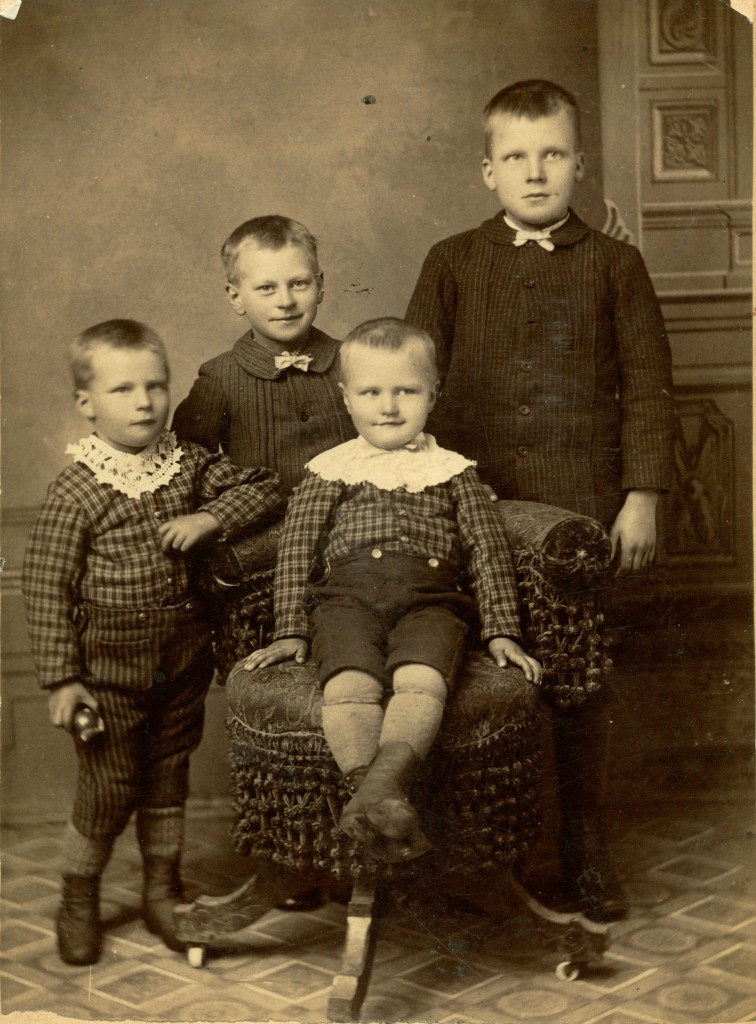
Photo Preservation and Restoration


Photos have a limited lifespan. Because older photos are most at risk, HeenBook concentrates on photos taken prior to 1925. Light, humidity, temperature, and chemical breakdown can be managed to some extent, but one-of-a-kind images have added risks such as disasters or lack of knowledge about the photos and preservation methods. HeenBook scans and/or photographs original photos and documents which are then stored in multiple locations. Photo restoration software can help reveal faded details and help with identification of people.
The photo preservation began innocently enough: we wanted to have duplicates of our old family photos. What if we had the only copy in existence? How can we preserve that image and ensure that multiple copies exist into the future?
In 2010 we purchased an Epson V700 photo scanner and Silverfast software and we began scanning. However, we discovered we were missing photos (or identifications) of a few key family members. Maybe some of our cousins had photos and if we could borrow those photos we might find missing people and ID’s. We borrowed photos–and found more ID’s and more photos with missing ID’s. We borrowed more photos…we researched more people…and borrowed more photos.
When we scan photos, we are aware that this may be our only chance to scan that photo. We scan at a high resolution, capturing the image as a .tiff file. We include information from the back of the photo, photographer identification, and any other documents or information regarding the photo. Each scan is assigned a 5 digit number and this information is entered on an excel spreadsheet.
Using Silverfast scanning software, some restoration of the photo occurs during the scanning process. Additional restoration of the photo can be done during the non-destructive editing in Lightroom. In Lightroom, we also add keywords and identification of individuals. We then compare identifications of individuals whenever possible to verify those identities.
Once we have completed scanning a group of photos, we invite the family who loaned us their photos to come and view the results on a large screen TV. Suddenly, people who only remember their ancestors as “old” now see them as children or young people. Instead of looking at a tiny, grainy photo held at arm’s length, they are now seeing clear images which are nearly life-sized.
The results are startling. As one guest said, “You told me to get close to the TV screen…and I found I can’t get close enough.” People want to KNOW their ancestors. High resolution, enlarged photos give them a new way of knowing their family.
These family photo showings lead to the telling of family stories. With people’s permission, we turn on a tape recorder so that we can capture additional information about the family and verify identifications. We are adding these tapes to our oral history collection.
To date, we have completed about 60,000 scans or photographs of documents, records, memorabilia, and family photographs. We focus upon scanning photographs taken prior to 1925. Photos taken prior to 1925 are most at risk due to aging, are more rare, and are free of copyright issues. We will scan newer photographs if we have permission and if the photos help with identification, key events, or genealogy.
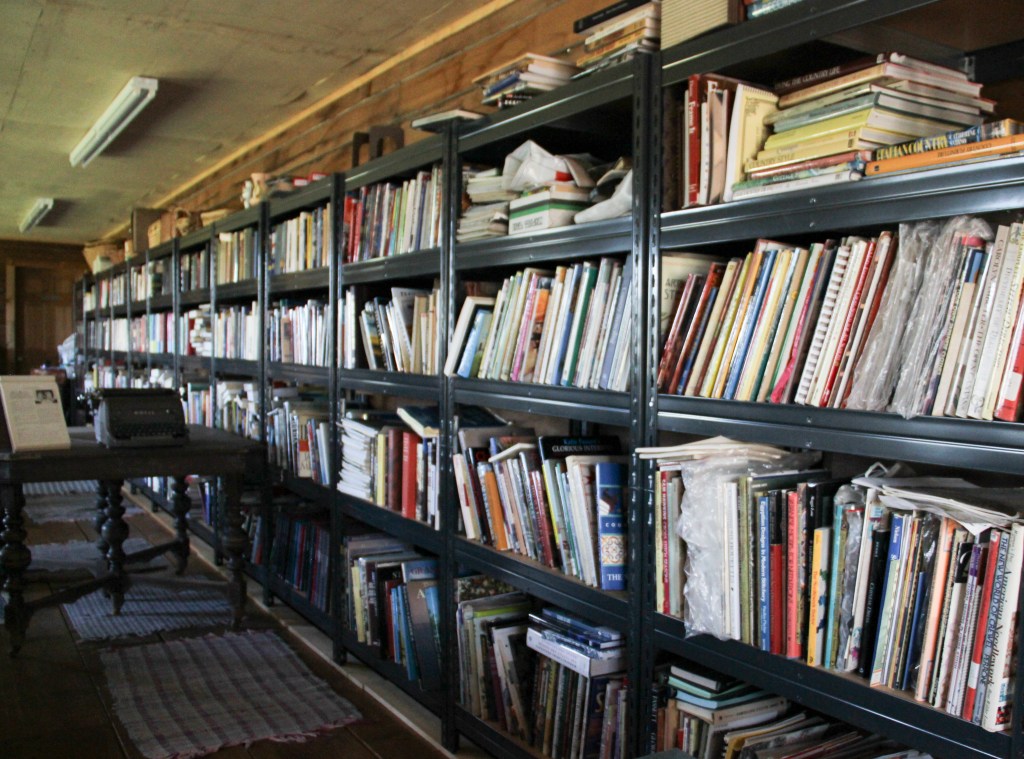
Our Research
At HeenBook we do extensive research to make share that we are providing the most accurate information we can. In order to reach this goal we use many different documents and community records.
If you are interested in learning how and what we use to support our research, please see the link below to our research materials.

Designed by Mickey Reed